Home Insurance Checks Before Buying a Florida Home
What to ask insurers about a Florida home's roof, systems, wind protection, claims, and flood coverage before you make an offer.
Insurance belongs near the beginning of a home search. A house can look ready to move into and still be difficult or expensive to insure. Ask about coverage before making an offer, while you have time to understand the answer.
Insurers may review the roof, plumbing, electrical wiring, heating and cooling systems, construction, location, and prior claims. Florida’s Department of Financial Services offers an overview of homeowners insurance.
Get a quote for the exact property
A quote for a nearby home is only a rough comparison. Share the address and details you have, including roof age, renovations, permits, prior claims, and how you plan to use the home. Ask what information is missing and whether the quote depends on an inspection. Confirm the proposed coverage and deductibles fit your needs. An early estimate can change when the insurer reviews more information.
Ask about the roof and major systems
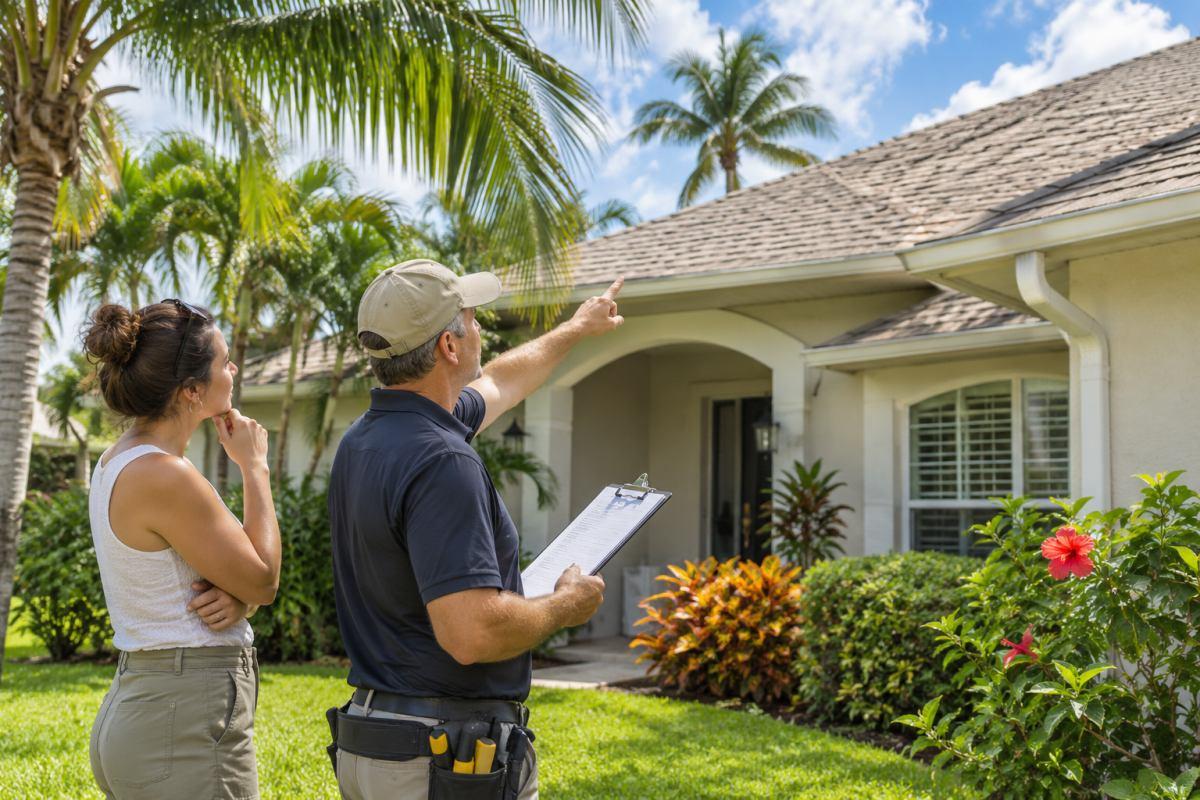
Roof age and condition can affect an insurer’s decision. Ask whether the roof needs an inspection, what records the insurer wants, and whether repairs or replacement would be required before coverage begins. Do the same for plumbing, electrical wiring, and heating and cooling systems. A home inspection may identify visible concerns, but the insurer may have separate requirements.
If the seller mentions recent work, ask for permits, invoices, warranties, and inspection records. A clear paper trail helps the insurer understand what was done and when.
Check wind protection and documentation
Florida homes may have features designed to reduce wind damage. Ask which features matter for the property and whether an inspection or form is needed to document them. The insurer decides what it recognizes and what supporting records it requires. Ask before counting any possible credit in your budget.
Understand flood coverage separately
Homeowners policies generally do not cover flood damage. Ask whether a separate flood policy may be needed, what it covers, and how the property’s location affects the quote. Use official flood maps as a starting point, then ask an insurance professional about the specific property. A map does not describe every drainage concern, prior water event, or coverage exclusion.
For buyers around Vero Beach, Indian River County provides flood resources and maps. Other Florida counties and cities maintain similar local resources.
Compare coverage, not only the premium
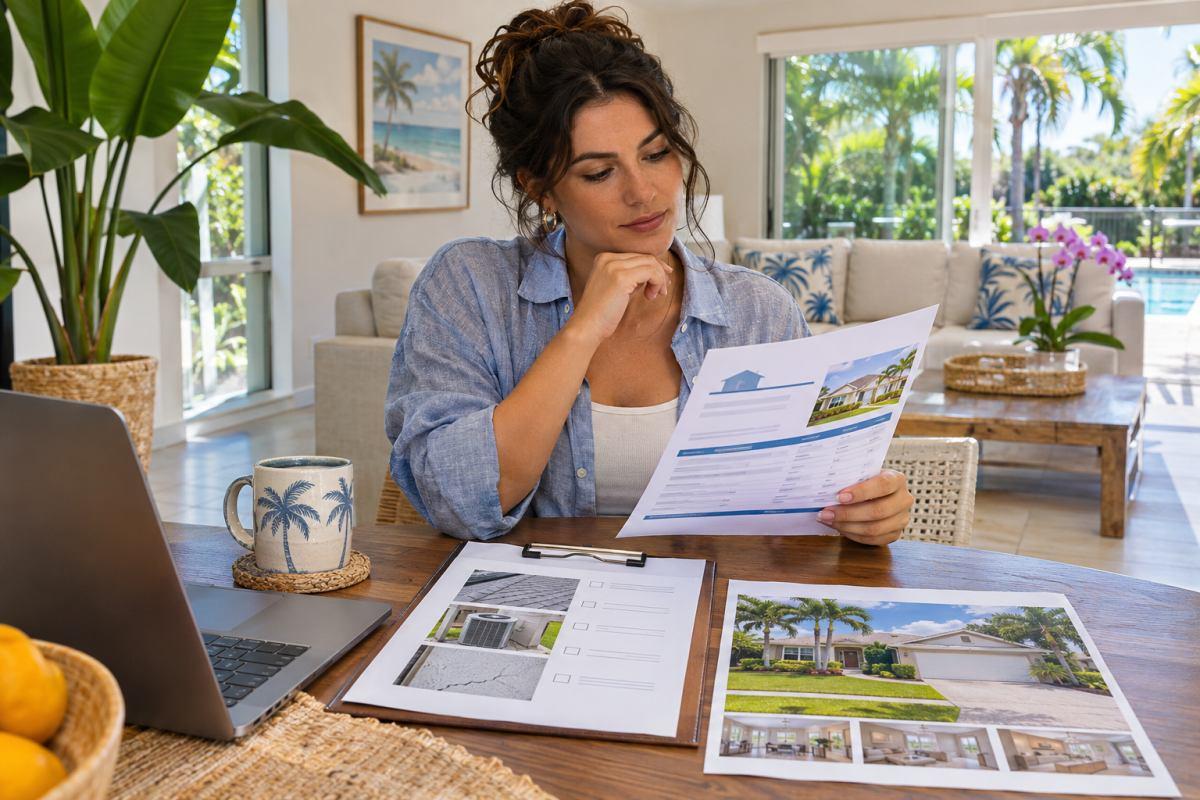
Compare coverage limits, deductibles, exclusions, roof settlement terms, liability protection, and repair requirements. Ask what would happen after a covered loss and which costs would remain yours.
If the quote has a high wind or hurricane deductible, understand how it applies. Ask whether it is a flat amount or a share of the insured value, and how the policy defines a covered event. Have the insurance professional explain the language.
A lower premium can come with less coverage or a larger amount you pay after a loss. Compare the full policy details before choosing.
Share the insurance details with your lender
The lender will need acceptable property coverage for the loan. Send quote and policy information as soon as available, and tell the loan professional if coverage depends on repairs or inspections. The Treasure Coast mortgage process guide explains how property review, insurance, underwriting, and closing fit together.
Make the decision with clear information
Before committing to a home, learn whether coverage is available, what it costs, what conditions apply, and what questions remain unanswered. If the insurer requires work, find out who will complete it and how the work will be verified.
Insurance will not answer every question about a home. It can reveal issues that deserve attention while you still have choices. Start early, use the property’s actual records, and ask the insurance professional to explain anything you cannot confirm.